Many people wonder how to know if you need braces, especially when their teeth don’t look “that bad” at first glance. You might notice small changes over time, feel discomfort when chewing, or hear a dentist mention alignment during a routine visit. Still, it can be hard to tell if orthodontic treatment is truly necessary or just optional.
The truth is that orthodontic needs are not always obvious. Some concerns are easy to see in the mirror, while others affect how your teeth and jaws function beneath the surface. This guide is designed to help you understand the common signs, clarify when it’s worth seeing an orthodontist, and explain how professional evaluations remove uncertainty from the decision-making process.
Common Signs That Braces May Be Needed
One of the most common ways people start questioning their alignment is through appearance. Teeth that look crowded, uneven, or widely spaced often stand out right away. Crowding happens when there isn’t enough room in the jaw for all teeth to sit properly, causing them to overlap or twist. Spacing issues can leave noticeable gaps that affect both appearance and food trapping.
Crooked or rotated teeth may also make cleaning harder. When brushing and flossing become less effective, plaque can build up more easily, increasing the risk of cavities and gum irritation. While appearance can be a clue, it does not always tell the full story. Some people have teeth that appear straight but still have bite or jaw issues that affect comfort and long-term health.
If you’re trying to understand how to know if you need braces, visible alignment is just one piece of the puzzle. Functional concerns often matter just as much, even if they’re harder to spot on your own.
Bite and Jaw Problems That Often Go Unnoticed
Bite alignment plays a major role in how your teeth work together. Overbites, underbites, and crossbites may not always be obvious unless they are severe, but they can cause uneven pressure during chewing. Over time, this uneven force may lead to tooth wear, jaw discomfort, or muscle strain.
Some people notice jaw clicking, soreness, or frequent headaches without realizing their bite could be contributing. Teeth that do not meet evenly can also wear down faster in certain areas, increasing sensitivity or raising the risk of fractures later in life.
When asking how to know if you need braces, it helps to pay attention to function as much as appearance. Difficulty chewing, frequent biting of the cheeks, or jaw tension can all be subtle signs that an orthodontic evaluation may be helpful.
How Orthodontic Evaluations Help Clarify Your Needs
An orthodontic evaluation is one of the most effective ways to get clear answers without pressure. During a consultation, the orthodontist looks beyond the surface to assess how teeth, jaws, and facial structures work together. This often includes a visual exam, digital scans or X-rays, and a discussion about any symptoms or concerns you’ve noticed.
Importantly, an evaluation is informational, not a commitment. Many patients feel relieved after learning what is actually happening and what options, if any, are recommended. Some people need treatment soon, others benefit from monitoring over time, and some may not need braces at all.
Professional guidance removes guesswork. Instead of relying on comparisons or online photos, you receive personalized insight based on your unique bite and dental development.
Braces for Teens vs Adults: What’s Different?
Orthodontic treatment is common for both teens and adults, but the goals and timing can vary. For teens, treatment often aligns with growth stages, making it easier to guide jaw development and tooth movement. Early evaluation can identify concerns before they become more complex.
Adults often seek braces for different reasons. Some want to address shifting that occurred over time, while others are correcting issues that were never treated earlier. Adult treatment may take slightly longer in some cases, but outcomes can be just as effective with proper planning.
No matter your age, understanding how to know if you need braces starts with recognizing that treatment is not limited to childhood. Orthodontic care can improve comfort, function, and confidence at many stages of life.
Orthodontic Services Available Near You
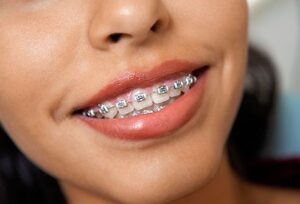
If you are exploring orthodontic care locally, there are several treatment approaches designed to fit different needs and lifestyles. Many patients choose Invisalign treatment in Greenwich, CT, because clear aligners offer flexibility while still addressing a wide range of alignment concerns. Others benefit from traditional braces for teens and adults especially for more complex bite issues that require precise control.
Learning about available options through Riverside Orthodontics can help you understand what types of care are commonly offered in your area, without feeling overwhelmed by technical details or sales language.
Frequently Asked Questions About Needing Braces
How do I know if my teeth problems are serious?
Only an orthodontic evaluation can determine severity. Some issues look minor but affect bite function, while others may be mostly cosmetic.
At what age should someone get braces?
Many orthodontists recommend an initial evaluation around age seven, but treatment can begin later if needed. Adults can also benefit from braces.
Can braces help with jaw pain or headaches?
In some cases, improving bite alignment reduces strain on the jaw muscles, which may help with related discomfort.
Do braces always mean metal brackets?
No. Treatment options may include clear aligners or other less noticeable appliances, depending on individual needs.
How long does treatment usually take?
Treatment length varies, but many plans range from several months to a couple of years, depending on complexity and consistency.
Final Thoughts: Understanding Your Orthodontic Needs
Knowing how to know if you need braces often starts with paying attention to small changes in your teeth, bite, or comfort. While appearance can be a helpful clue, alignment and function beneath the surface matter just as much. Issues like uneven wear, jaw strain, or difficulty cleaning certain areas can affect long-term oral health if left unaddressed.
The good news is that you don’t need to figure this out on your own. Orthodontic evaluations are designed to provide clarity, not pressure. Whether treatment is recommended now, later, or not at all, understanding your individual needs helps you make confident decisions about your smile. Taking the time to learn your options is an important step toward maintaining healthy, comfortable teeth at any age.
Ready to Learn More About Your Smile?
If you’re still wondering how to know if you need braces, an orthodontic consultation can provide clear, personalized guidance. At Riverside Orthodontics, you can request an appointment online or call (475) 325-5630 to schedule an evaluation that helps you understand your teeth and bite without pressure or obligation. If treatment is recommended now or monitored over time, professional insight makes it easier to move forward with confidence.